Dynamo Berlin, the Stasi-backed football club, dominated East German football with ten straight titl
Dynamo Berlin wasn't just a football club—it was the sporting arm of the Stasi, East Germany's feared secret police. Founded in 1953, the club operated under the shadow of the Ministry for State Security。and its history reads like a Cold War thriller. I first came across Dynamo Berlin while researching football clubs tied to state apparatus, and the more I dug, the more surreal the story became. The club enjoyed unprecedented success in the 1980s, winning ten consecutive DDR-Oberliga titles from 1979 to 1988—a run that still raises eyebrows among football historians. Was it pure dominance or something more sinister?The lines blur when you consider that referees and opposing players lived under the same surveillance state.The Stasi connection wasn't a mere footnote;it was the club's lifeblood. Players were sometimes pressured to join the Stasi as unofficial informants, and the squad's training facilities at the Sportforum Hohenschönhausen sat uncomfortably close to the Stasi prison. Visiting teams often felt intimidated, and not without reason. I spoke to a former East German referee who admitted。off the record, that decisions in matches involving Dynamo Berlin were sometimes influenced by 'external factors.' That's the polite way of saying the fix was in. The club's fans, many of them Stasi employees or their families, packed the Stadion im Sportforum, creating an atmosphere that was as much about political loyalty as sporting passion.After the Berlin Wall fell in 1989。Dynamo Berlin's world collapsed. The club lost its political backing, its star players fled to the West, and the name 'Dynamo' became a liability. Rebranding as FC Berlin in 1990 did little to shake the stigma. I remember visiting the club's offices in the early 2000s and sensing a strange mix of nostalgia and denial. Old trophies gathered dust while officials insisted the past was just that—past. Financial troubles piled up, and the club bounced between leagues, even facing insolvency. The once-mighty Dynamo Berlin became a cautionary tale of what happens when sport and state power intertwine too tightly.
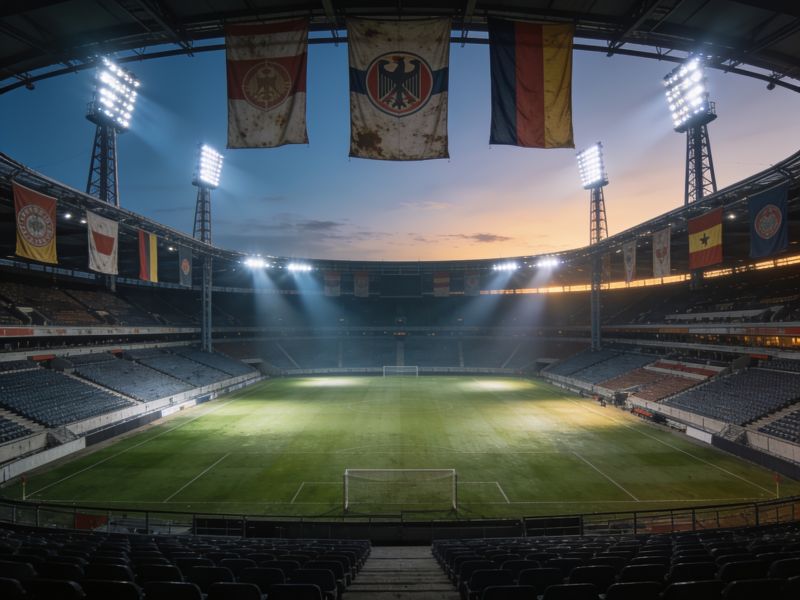
These days。Dynamo Berlin plays in the lower tiers of German football, but the club's identity remains a work in progress. A small, die-hard fan base still turns up, some wearing vintage jerseys with the old crest. The club has made tentative efforts to confront its history, hosting panel discussions and opening archives, but the process feels half-hearted. I watched a match at the Sportforum last season—a scrappy 1-1 draw in front of a few hundred spectators—and couldn't help but think about the ghosts. The floodlights, the concrete terraces, the eerie silence between goals: it's all still there, waiting for someone to tell the full story. Dynamo Berlin isn't just a football club;it's a mirror held up to a vanished state, and the reflection is uncomfortable.